Calm at Rothwell begins with routine.
Children quickly learn the flow of their day. After free play comes tidy-up time. After outdoor exploration comes snack. After group time comes quieter activities.
The EYFS highlights the importance of enabling environments that support children’s emotional security. That means children need to know what is happening and what will happen next.
We support this through gentle cues.
We give children time warnings before transitions.
We sing familiar tidy-up songs.
We avoid sudden changes where possible.
Adults model calm behaviour throughout the day. Our tone of voice stays steady. We kneel to children’s level. We pause before responding.
When a tower falls or a disagreement happens, we respond slowly and thoughtfully. Children watch how we handle those moments. Through that, they learn how to handle their own feelings.
Birth to Five Matters reminds us that children develop self-regulation when they experience supportive relationships. That is why our Key Person approach is so central.
A familiar adult who knows your child well can sense when they need encouragement and when they need space.
Sometimes the most powerful support is simply sitting beside a child quietly, letting them feel understood.
Calm Spaces at Rothwell
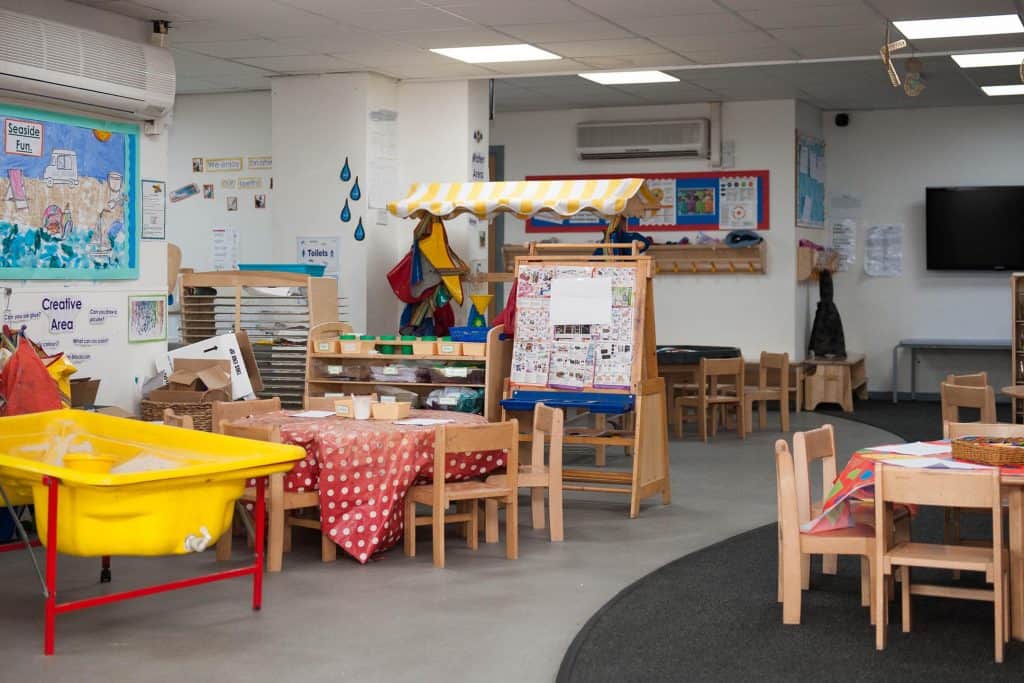
Alongside predictable routines, we have created calm spaces within our nursery in Rothwell where children can pause and reset.
Cosy corners with soft cushions and books allow children to step away from busier play. These are not isolated spaces. They are part of the room, fully supervised and easily accessible.
Reading nooks are often chosen by children independently. Some children naturally seek a quieter area when they feel overwhelmed. Others are gently guided there by their Key Person if they appear unsettled.
We also provide sensory resources that support emotional regulation. Simple tactile materials. Soft fabrics. Puzzles that encourage focus and concentration.
Smaller group spaces are used intentionally. Not every child feels comfortable in large group activities all the time. Sometimes a smaller, quieter group gives them the confidence to join in.
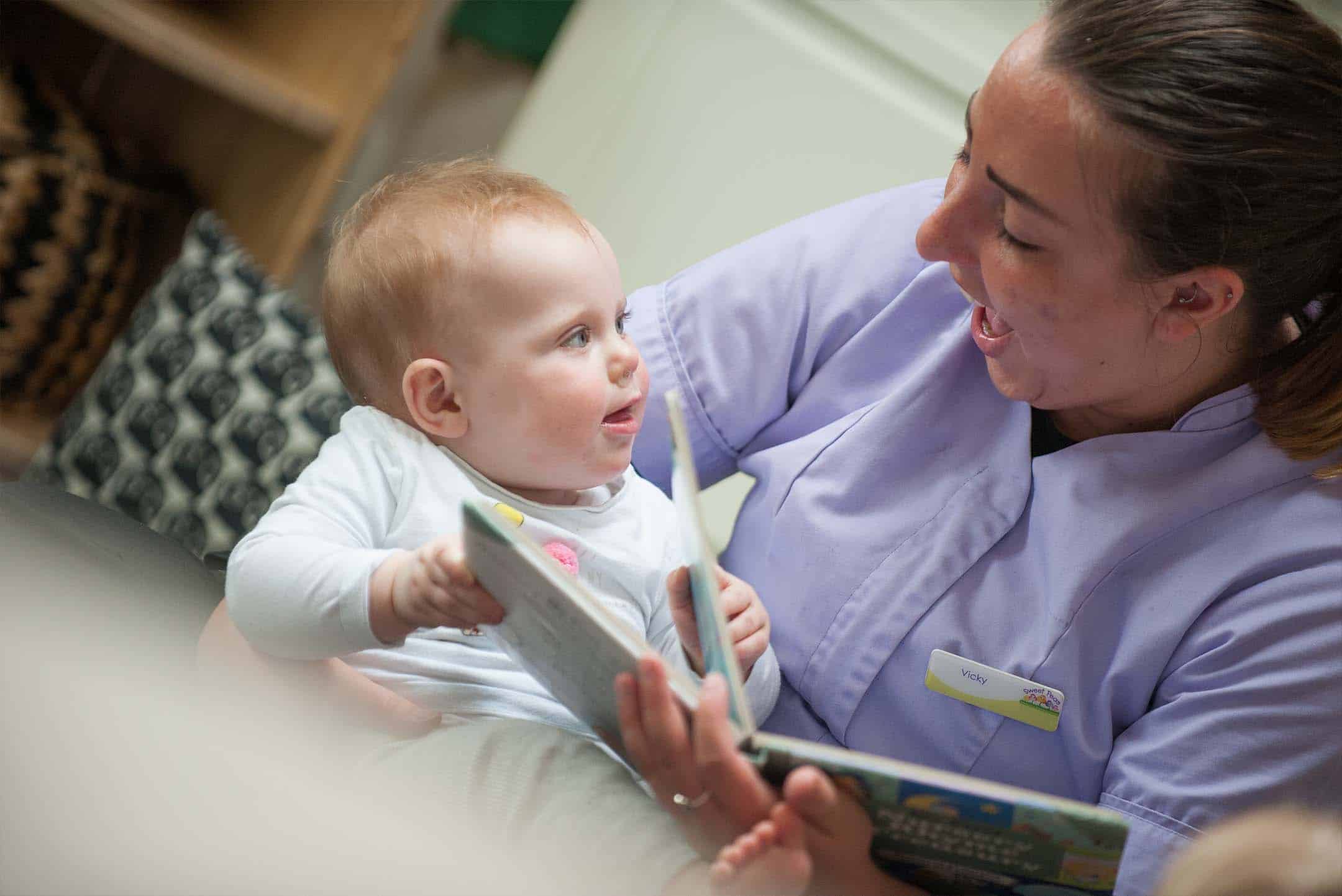
You might see a practitioner and two children sharing a story while others play nearby. You might notice a child sitting calmly with an adult before choosing to rejoin their friends.
These spaces are not about decoration.
They are about how children feel within them.
The EYFS speaks about enabling environments that respond to children’s needs. That is exactly what these calm areas are designed to do.
Parents often ask what happens if their child feels overwhelmed.
The answer is simple.
We notice.
We respond.
We stay close.
Supporting Children Who Feel Overwhelmed
Not every child shows big feelings loudly.
Some children withdraw.
Some become quieter.
Some move more quickly or seem unsettled.
Our team are experienced in recognising these subtle changes.
Supporting children’s emotions means tuning in carefully.
If a child seems overwhelmed, we might sit alongside rather than direct them. We might lower our voice. We might offer a comforting activity or suggest a quieter space.
We adjust expectations in that moment.
There is no pressure to participate before a child is ready.
Birth to Five Matters reminds us that strong relationships help children build resilience. That resilience does not grow from being pushed. It grows from feeling supported.
Communication with parents is always part of this process. If we notice patterns or changes, we share them gently at pick-up. We value your insight and work together.
You can read more about supporting children who are feeling unsure and how we support emotional development on our website.
Partnership brings consistency. Consistency brings security.
The Balance Between Active and Calm
Active play is essential for children’s development.
Outdoor exploration. Group singing. Physical movement. Creative activities. These experiences support confidence, communication and physical development.
But without calm, busy days can feel overwhelming.
At Rothwell, we intentionally balance active and quieter moments. After energetic outdoor play, there may be story time. After group activities, children may choose independent play in a smaller space.
Routine supports settling into nursery because children begin to trust the structure of their day.
Being independently led allows us to shape our routines thoughtfully around the children in our care. Decisions are made here, by people who know the children personally. That helps us maintain consistent relationships and steady daily rhythms.
Familiar adults. Familiar routines. Familiar reassurance.
These are powerful anchors for young children.
Confidence That Grows Gently Over Time
The changes we see are often quiet ones.
A child who once became overwhelmed now chooses the reading corner independently when they need a pause.
A child who needed close reassurance now helps a friend find a calm space.
A child who stood back and watched now joins in confidently, knowing they can step away if they need to.
These are not dramatic transformations.
They are gentle growth.
They happen because children feel secure at nursery. They trust the adults around them. They know calm is always available.
If you are wondering how your child might cope with nursery life, we warmly invite you to visit our Rothwell nursery. You are very welcome to book a visit to Rothwell and see how our days feel in person.
Sometimes standing in the room, sensing the balance of energy and calm, brings the reassurance you need.
Busy little minds deserve steady support.
And at Sweet Peas Rothwell, calm is always part of the journey.