Independence often begins with small, everyday moments. A toddler choosing a book, a child carrying their own cup or a preschooler having a go at fastening their coat can all build confidence over time.
For young children, independence grows through safe opportunities to make choices, practise new skills and discover what they can manage with a caring adult nearby. Nursery supports this through familiar routines, thoughtfully arranged environments and encouragement that meets each child where they are.
What independence means in the early years
Independence develops differently at every stage. A baby may reach for a toy, explore a new texture or show a clear preference. Toddlers may begin choosing activities, feeding themselves or helping to put toys away.
As children grow, they can take a more active role in routines by finding their coat, washing their hands, choosing toys or helping prepare a meal. These everyday moments help children recognise what they can do and when to ask for support.
These developing abilities are often called self-help skills. They include dressing, eating, tidying and caring for belongings, alongside making choices, waiting for a turn and trying again. Each child develops at their own pace, with reassurance and familiar adults helping them feel confident to have a go.
Everyday routines that build independence
Regular nursery routines offer natural opportunities for children to practise. Repetition helps them understand what comes next and gives them the confidence to take part more actively each time.
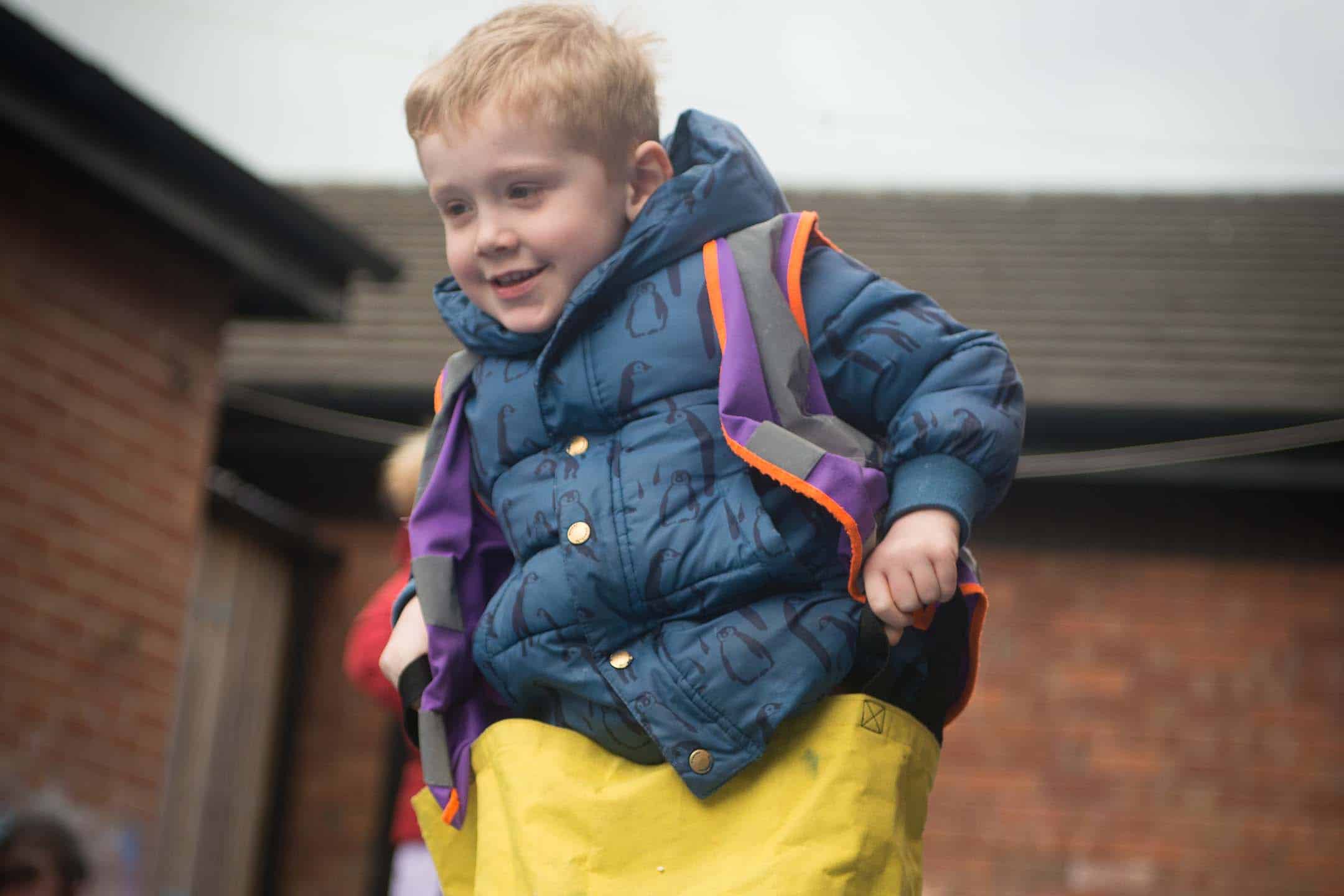
A child may begin by watching an adult put their coat on. Later, they might find their sleeve, push one arm through or attempt the zip. Each small step matters. Over time, familiar routines can turn a task that once felt difficult into something children approach with pride.
Examples of everyday independence-building opportunities include:
- Choosing where to play and what to explore
- Selecting a book or joining a small-group activity
- Helping to prepare for snack or mealtimes
- Feeding themselves and using cups or cutlery
- Washing hands before meals and after toileting
- Finding their coat, bag or comforter
- Having a go at dressing for outdoor play
- Tidying resources when an activity has finished
- Helping care for their shared nursery environment
These experiences are not about getting everything right the first time. A little spill, an inside-out jumper or a tower that falls down can all be part of learning. Adults offer practical support where it is needed while allowing children space to persevere.
The environment and the adult role
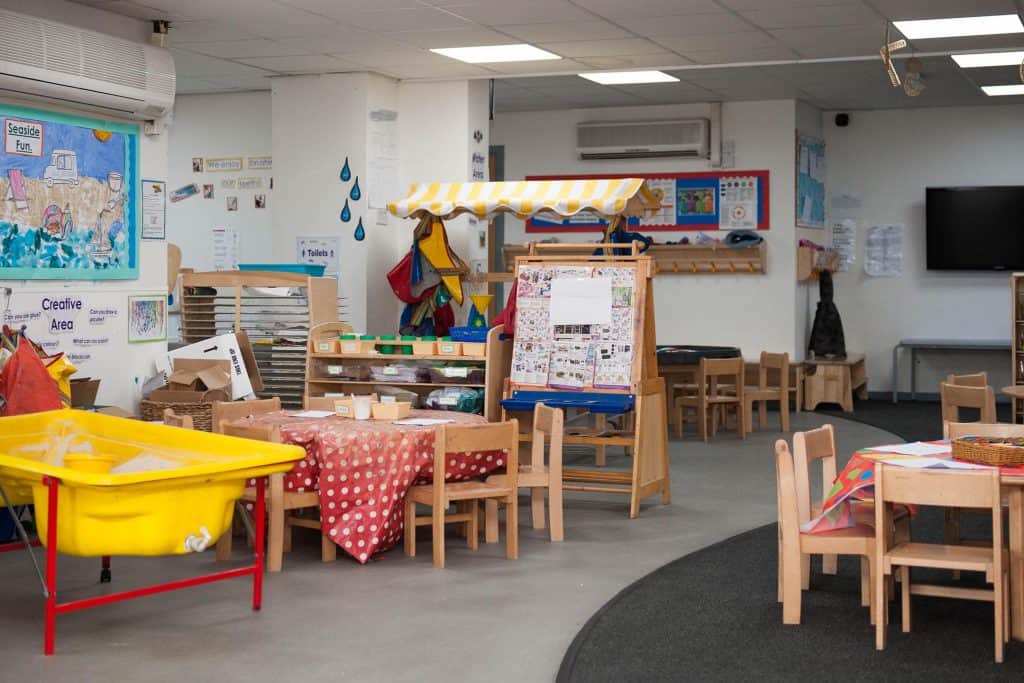
Children can make choices more confidently when resources are safe, accessible and easy to find. Clearly organised shelves, familiar play areas and items within reach help them choose activities, follow their interests and return resources when they have finished.
A calm, predictable environment supports this further. Familiar routines, such as a tidy-up song, reminders before outdoor play or visual cues, help children understand what is happening next and take a more active role in their day.
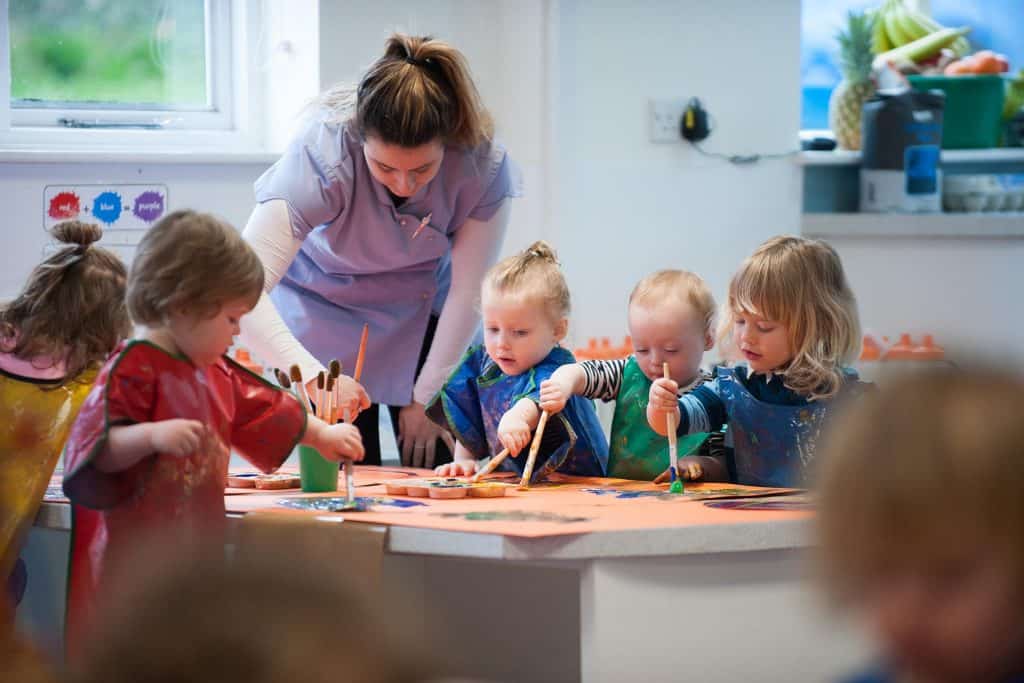
Practitioners provide the right balance of guidance and space. They may begin a zip for a child to finish or offer reassurance while they approach a new activity. This gentle support helps children build confidence.
Choice, play and problem-solving
Choice is an important part of encouraging independence in early years. Even simple decisions help children understand that their interests and ideas are valued.
Younger children may choose between two suitable options, such as a red cup or a yellow cup. Older children can decide how to use materials, which role to take in imaginative play or how to approach a friendship challenge.
Play gives children many opportunities to think independently. A tower that keeps falling encourages them to try a different approach. A disagreement over a toy creates an opportunity to practise turn-taking with gentle adult guidance. Outdoors, children may work out how to balance, move resources together or join a group game.
Adults can support problem-solving by noticing effort rather than giving immediate answers. A comment such as, “You are working hard to make that stand up,” recognises persistence and leaves room for the child’s own thinking.
Read more about the benefits of learning through play and how child-led experiences support confidence and learning.
Independence and school readiness
School readiness is about more than knowing letters, numbers or colours. Children benefit from feeling confident within routines, communicating their needs and approaching new experiences with growing assurance.
Simple self-help skills can support a smoother transition to reception. Recognising their own belongings, attempting to dress for outdoor play, using the toilet with age-appropriate support and asking an adult for help can all help children feel more secure during the school day.
Independence also supports resilience. Children learn that some things take practice and that adults are there to encourage them through challenges. Trying, making a mistake and having another go are valuable parts of learning.
Nursery provides a gentle place to practise these skills. Familiar adults can recognise when a child is ready for the next step and when they need more time or support.
Supporting independence at home
Home routines provide just as many opportunities for developing independence in toddlers and preschool children. Small responsibilities can become meaningful when they are part of everyday life.
Choose one or two tasks that feel manageable for your child’s current stage. This might be putting toys into a basket, carrying clothes to the laundry, choosing between two outfits or helping to set the table.
The following approaches can help:
- Allow a little extra time for your child to have a go
- Keep instructions simple and clear
- Break larger tasks into smaller steps
- Offer a limited choice between suitable options
- Notice effort, persistence and progress
- Keep routines consistent where possible
- Stay close when reassurance is needed
- Accept that learning may be a little messy
There will be times when adults need to step in, particularly when time is short. Giving children space to practise whenever possible can build confidence that carries into other areas of their day.
How Sweet Peas supports growing independence
Sweet Peas has two individual nurseries in Leeds: Garforth and Rothwell. Both settings support children through warm relationships, purposeful play and everyday opportunities to explore, choose and build confidence.
Children are encouraged to follow their interests, practise practical skills and take the lead in their play, with trusted practitioners close by to guide them. Our approach helps children develop a growing sense of capability while feeling safe and supported.
Independence is woven into our curriculum through experiences that encourage curiosity, resilience and confidence. For a closer look at setting-specific practice, read how we encourage independence at our Garforth nursery.
Families are welcome to visit Garforth or Rothwell, meet the team and see how nursery life feels. Book a nursery tour to explore the setting that may suit your child best.
Frequently asked questions
- How do nurseries encourage independence?
Nurseries encourage independence through everyday routines, accessible resources, choices and play. Children are supported to practise skills such as feeding themselves, dressing, tidying, choosing activities and asking for help.
- What are self-help skills in early years?
Self-help skills are everyday practical abilities that children develop over time. They include eating, dressing, handwashing and managing belongings.
- Why is independence important for young children?
Independence helps children build confidence, resilience and problem-solving skills. It also supports them to communicate their needs, take part in routines and approach new experiences with growing assurance.
- What age do children start becoming independent?
Children begin developing independence from an early age. Babies show preferences and explore their surroundings, while toddlers and preschool children gradually practise choices and self-help skills at their own pace.
- How can I help my toddler become more independent?
Offer small, manageable opportunities each day, such as choosing between two items, helping to tidy or trying to put on shoes. Give your child time to practise, stay nearby for reassurance and recognise their effort.