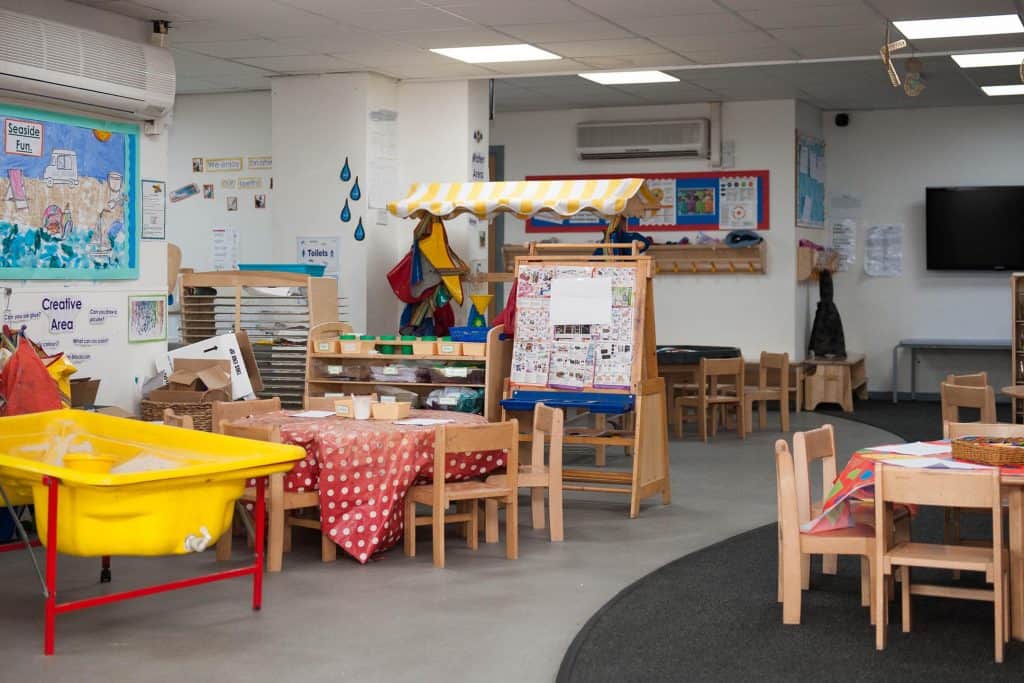
Starting nursery is a big milestone for both children and parents. It often brings excitement, pride and a few understandable nerves. You may find yourself wondering how your child will cope on that very first morning, and how long it will take before everything feels normal again.
One of the most common questions families ask when exploring a nursery in Leeds is how long it will take for their child to settle.
The honest answer is simple: there is no fixed timeline. Every child is different and every nursery settling in period unfolds in its own way. What matters most is that children feel safe, supported and understood as they adjust to this new chapter.
At Sweet Peas, we welcome families at both our Garforth and Rothwell nurseries, and we gently reassure every parent that settling is a journey, not a deadline.
There Is No “Normal” Settling Timeline
Some children appear to settle within days. Others take several weeks to feel completely confident. Rest assured that both experiences are entirely normal.
A child’s age, personality and previous experiences all influence how they respond to starting nursery for the first time. A confident toddler who enjoys new environments may walk in happily from day one. A younger child or one who forms very strong attachments may need longer to adjust.
Comparing children rarely helps. What looks like a quick transition on the surface may still involve quiet moments of uncertainty, while a child who finds drop off difficult may be happily engaged five minutes later.
Settling into nursery is not a race. It is the gradual building of trust between your child and the adults caring for them.
What the Nursery Settling In Period Can Look Like
Understanding the different ways children adjust can help parents feel calmer during those early weeks.
The Confident Starter
Some children embrace their new surroundings straight away. They explore the room, engage with activities and wave goodbye with little hesitation.
Even confident starters may experience small emotional wobbles later on. As the novelty fades and routines become clearer, they begin to process the change more deeply. This is still part of a healthy nursery settling in period.
Confidence does not mean a child does not need reassurance. It simply means they are expressing change differently.
The Slow and Steady Settler
Many children take a more gradual approach. They may stay close to a familiar adult at first, observing before joining in. Over time, small signs of comfort begin to appear.
Perhaps they start participating in group time or chatting about their day when they get home. Progress may feel subtle, yet these small steps show that the child is adjusting to nursery at their own pace.
Sometimes the biggest progress is seen in the smallest moments — a shorter goodbye, a smile at arrival, a new friend mentioned at tea time.
The Delayed Wobble
It is not unusual for a child to seem perfectly happy for the first week or two and then suddenly become tearful at drop off. Parents sometimes worry that something has gone wrong.
In reality, this delayed wobble often reflects growing attachment. As children form bonds with practitioners, they feel safe enough to express their feelings more openly. Separation anxiety in nursery can be a positive sign that secure relationships are developing.
Tears at the door can coexist with laughter during play. Both can be true on the same day.
Why Emotional Wobbles Are a Healthy Sign
Big feelings during the early weeks are not a sign of failure. They show that your child has formed strong attachments and is learning to navigate change.
Early years emotional support focuses on helping children recognise and manage these feelings gently. When practitioners respond with patience and reassurance, children learn that their emotions are understood. Over time, they begin to develop coping strategies that strengthen confidence.
Feeling secure at nursery does not mean never feeling upset. It means knowing that comfort is always available.
Emotional moments are part of the adjustment process rather than evidence that nursery is not right.
How Nurseries Support Children During This Time
A thoughtful approach to the nursery settling in period makes a significant difference.
Consistent caregivers help children build trust. Predictable routines create a sense of security. Familiar faces at the door offer reassurance.
Gradual introductions, shorter initial sessions and regular communication with parents all support a smoother transition. Practitioners observe each child carefully and adjust their approach according to individual needs.
Being independently led allows us to keep relationships consistent and personal. Decisions about settling are made within our own nurseries, by leaders who know the children and families well.
If you would like practical ideas for supporting your child at home, our guide on how to help your child settle into nursery shares gentle strategies.
Partnership between nursery and home is especially important during these early weeks. Open conversations allow parents to share concerns and celebrate progress together.
Small Signs That Progress Is Happening
Settling rarely happens all at once. Instead, it appears in small and meaningful ways.
You might notice that goodbyes become slightly shorter. Your child may begin mentioning a friend’s name or talking about an activity they enjoyed. They may head towards a favourite toy more confidently on arrival.
These subtle changes show that your child is adjusting to nursery life. Confidence grows gradually as routines become familiar and relationships deepen.
Often, it is only when you look back a few weeks later that you realise how far they have come.
Choosing a Nursery That Prioritises Emotional Support
When considering childcare in Leeds, the way a setting manages its settling in process tells you a great deal about its values.
A nurturing nursery understands that emotional wellbeing comes before academic achievement. Children learn best when they feel safe.
During visits, notice how staff talk about supporting children through change. Are they patient and reassuring? Do they acknowledge that every child’s experience will be different?
If you are still exploring your options, our article on things to look for when visiting a nursery can help you identify signs of a supportive environment.
Supporting Your Child With Patience and Care
The early weeks of nursery are a time of adjustment for everyone. It is natural to question whether things are progressing quickly enough.
Remember that there is no universal timeline for settling into nursery.
Children grow in confidence when they feel safe and understood. With consistent care, warm relationships and patient reassurance, they begin to view nursery as a secure and enjoyable part of their world.
Over time, what once felt unfamiliar becomes part of their routine. The room feels known. The adults feel trusted. The day feels predictable.
Your calm presence and trust in the process make a difference too. When children sense that parents feel confident, they gain reassurance from that stability.
If you would like to visit our Garforth nursery or visit our Rothwell nursery to see how we gently support the settling process, we would be very happy to welcome you. You can also get in touch to talk through your child’s individual needs.
Because settling is not about how quickly it happens. It is about how supported your child feels along the way.