A tearful nursery drop-off can be one of the hardest parts of starting childcare. Even when you feel confident about the setting, hearing your child cry as you leave can bring a rush of worry and guilt.
Nursery separation anxiety is very common, particularly when children are young or adjusting to a new routine. It does not mean your child is unhappy at nursery or that they are not ready to begin. Often, it shows that they have a strong attachment to the people who make them feel safe.
With a calm goodbye routine, familiar reassurance and close communication between home and nursery, children can gradually learn that saying goodbye is safe and that their parent or carer always comes back.
What is nursery separation anxiety?
Separation anxiety is the distress a child may feel when they are apart from their parent or main carer. It can look like crying, clinging, refusing to get out of the car or becoming upset when they see the nursery entrance.
Starting nursery brings several big changes at once. There are new spaces, new routines, other children and adults your child is still getting to know. Even a confident child may find that a lot to process at first.
For many little ones, this response is a normal stage of development. As children become more aware that they are separate from their parent or carer, they can find goodbyes difficult. It can also reappear during periods of change, tiredness or uncertainty.
Every child expresses their feelings differently. Some may cry loudly at the door while others become quiet or need extra closeness at home. Neither response is wrong. The important thing is that the adults around them respond consistently and kindly.
Before the first day: gently build familiarity
A child does not need to feel completely fearless before their first day. Familiarity simply gives them a good starting point.
Settling-in visits can help your child begin to recognise the room, routines and adults who will care for them. Keep conversations about nursery simple and positive. Rather than asking lots of questions about whether they are worried, talk about practical parts of the day: playing outside, having a snack or choosing a story.
Try language such as:
- “You’ll play with your friends and then I’ll come back after lunch.”
- “Your grown-ups at nursery will look after you until it’s home time.”
- “You can tell your key person if you need a cuddle or some help.”
A familiar comforter may also help some children feel more secure. This might be a special toy, blanket or small family photo, subject to the nursery’s arrangements.
For further guidance on the settling process, read what to expect in the first few weeks when helping your child settle into nursery.
The drop-off itself: keep goodbyes calm and clear
When a child is crying at nursery drop-off, it is natural to want to stay until they feel better. Yet long or repeated goodbyes can sometimes make the separation feel more uncertain.
A short, warm and predictable routine is usually most helpful. Your child learns what will happen each morning: you arrive together, help them settle with a familiar adult, say goodbye and return later.
A helpful nursery drop-off routine might look like this:
- Arrive with enough time to avoid rushing. A calm adult helps create a calmer start.
- Help your child connect with an adult. Share any important information from home during handover.
- Use the same goodbye words each day. Keep them brief and clear.
- Offer a hug, kiss or wave. Let your child know when you will return in terms they understand.
- Leave when you have said goodbye. Avoid slipping away without telling them or returning several times.
You might say: “I love you. You’re safe with your key person. I’ll see you later.”
The exact words matter less than the consistency. Children begin to trust a goodbye routine when it happens in the same calm way again and again. A positive goodbye followed by a confident departure can help children understand that separation is temporary.
Should I stay or leave quickly at drop-off?
There is no need to rush away coldly or ignore your child’s feelings. A hug, reassurance and a clear goodbye are important.
However, once your child has been handed over safely to a familiar practitioner, it is best to leave rather than prolonging the moment. Staying while they continue to cry can make it harder for them to move towards comfort, play or connection with the adult supporting them.
If drop-offs are becoming particularly difficult, speak to the nursery team. A small adjustment, such as arriving at a quieter time where possible or agreeing a familiar handover activity, may help make the transition feel more manageable.
Coping with guilt after a tearful goodbye
Many parents find themselves sitting in the car afterwards, worrying that they have made the wrong decision. It can help to remember that tears at the door are a communication of feeling, not a measure of how the whole day will go.
Children often settle soon after a parent has left, especially when an adult is available to offer comfort and gently draw them into a familiar activity. The team’s role is to notice how your child is feeling, stay close and help them feel secure enough to begin their day.
A strong key person relationship is particularly valuable during this time. The key person provides a familiar point of contact for your child and helps build a trusting partnership with your family. Find out more about our key person system.
It is perfectly fine to feel emotional. Starting nursery is a transition for parents and carers too. Sharing your worries with the team means you can agree a consistent approach and receive reassurance about how your child is settling once the morning handover is complete.
How long does separation anxiety last at nursery?
There is no single answer. Some children find the first few goodbyes difficult then settle quickly. Others need more time to feel secure, particularly if they are naturally cautious or other changes are happening at home.
Instead of comparing your child with others, look for gentle signs of progress. They may still cry when you leave but accept comfort more quickly. They may begin to recognise their key person, become interested in a favourite activity or talk about nursery at home.
Speak to the nursery if your child remains very distressed for a prolonged period, appears unable to settle after you leave or their anxiety is affecting everyday life beyond nursery.
For a closer look at settling patterns, read our guide to how long it takes for a child to settle into nursery.
How Sweet Peas supports anxious starters
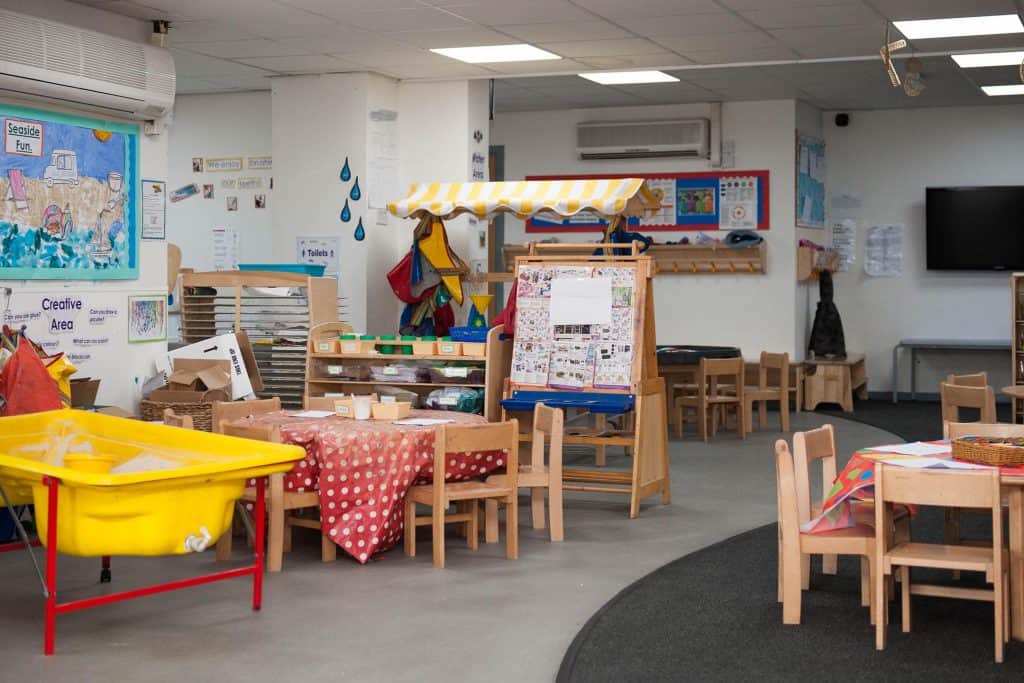
Sweet Peas has two individual nurseries in Leeds, with separate teams and welcoming environments at Garforth and Rothwell. In both settings, children are supported through consistent relationships, familiar routines and thoughtful communication with their families.
A key person gets to know your child’s preferences, comfort needs and the small details that help them feel secure.
Children are never expected to manage big feelings alone at Sweet Peas. Reassurance is offered gently and without pressure, allowing confidence to build in small steps.
Read more about how we support children who are feeling a little unsure.
A simple nursery drop-off checklist
Save this checklist for those first few weeks:
- Prepare bags and clothes the night before where possible
- Talk positively and simply about the day ahead
- Arrive with enough time for a calm handover
- Share any changes in sleep, mood or routine with the team
- Use the same short goodbye each day
- Tell your child when you will return
- Leave confidently once you have said goodbye
- Ask for an update if this has been agreed with the nursery
- Focus on a warm reunion at pick-up
A tearful goodbye can feel big in the moment. With consistency, trusted adults and a partnership between home and nursery, most children gradually learn that nursery is a safe place to play, learn and belong.
If you are considering a place for your child or would like to talk through how settling-in support could work for your family, book a nursery tour at Sweet Peas Garforth or Sweet Peas Rothwell.
Frequently asked questions
- Is it normal for my child to cry at nursery drop-off?
Yes. Crying at drop-off is common when children are adjusting to being apart from a parent or main carer. It does not automatically mean that nursery is not right for them or that they will remain upset throughout the day.
- What is the best way to say goodbye at nursery?
Keep your goodbye warm, brief and predictable. Offer reassurance, tell your child when you will return and leave after they have been safely handed over to a familiar adult.
- How do nurseries help children with separation anxiety?
A caring nursery supports children through familiar relationships, predictable routines and close communication with parents. A key person can offer comfort, help a child join an activity and build their confidence gradually.
- How can I help my toddler with separation anxiety?
Practise short separations where appropriate, talk positively about nursery and use a consistent goodbye routine. A familiar comforter may help if this is agreed with the nursery.